
Forget lighting. Forget LUTs. This isn’t about soft glow or golden hour. This is about camera movement that buzzes like caffeine withdrawal and focus pulls that hit like vertigo in a dive bar bathroom. The Bear doesn’t shoot scenes. It traps you inside them and dares you to find the exit. This is storytelling that sweats. This is the visual language of people on the edge.

Tunnel Vision: Hyper-Shallow Depth of Field
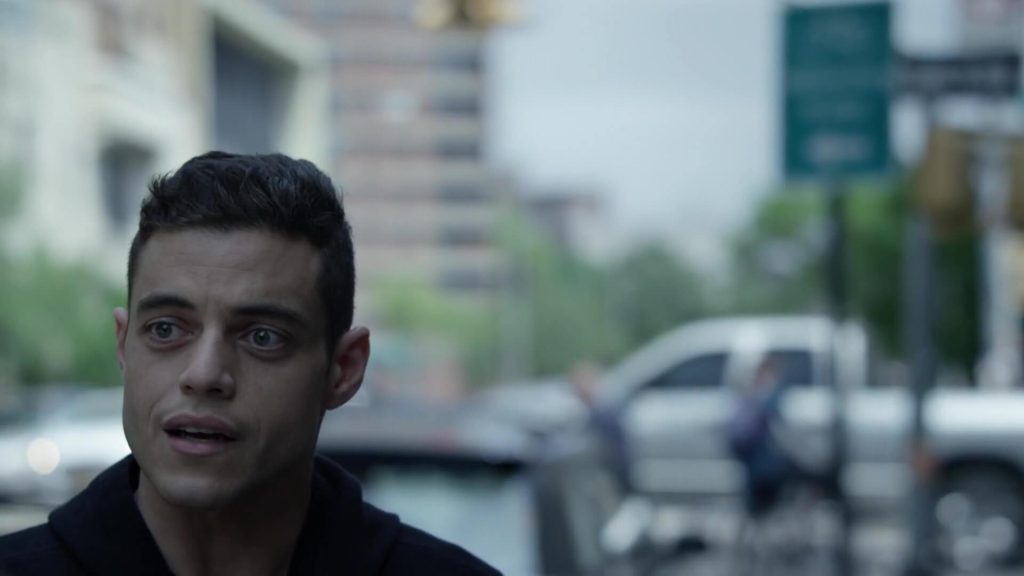
Visual example of hyper-shallow depth isolating detail and emotional focus.
They’re running Alexa Mini LFs with Panavision H-series glass wide open at f/1.8 to f/2.8, sometimes nudging toward f/1.2. That kind of aperture doesn’t just soften the background. It erases it. The subject floats like it’s been dropped into a dream sequence with no budget for CGI. Space warps. You’re locked on a detail that feels more real than real. That visual claustrophobia? That’s the trick. It heightens the tension by narrowing your world to a single point of obsession. In motion, it’s pure anxiety. In stillslike in my Neural Photographyit’s the pause before the panic. One frame and you’re already sweating. You’re not watching anymore. You’re caught.

Fluid Chaos: Camera as Character
Behind-the-scenes look at the continuous 18-minute take in episode 7.
That 18-minute take in “Review”? It’s not a flex. It’s a masterclass in restraint disguised as chaos. The camera doesn’t just follow action. It breathes with the characters. It reacts like a second skin. It weaves through the clutter like it’s trying to survive the shift too. You don’t get traditional coverage. You get kinetic immersion. It’s the kind of visual storytelling that throws the viewer into the line cook’s shoes and dares them to look away. The motion isn’t just physical. It’s emotional.

Engineered Blocking: A Set Built for Flow
Panavision’s controlled chaos set design for unrestricted camera movement.
Original Beef isn’t a kitchen. It’s a narrative device. Every wall, counter, and fridge is designed for mobility. The set breathes. The actors can move like real people, not chess pieces on tape marks. That allows the blocking to evolve naturally. It’s not staging. It’s exploration. Every movement is part of a larger rhythm. This is where performance and camera find their sync. This is how you shoot something that lives instead of something that poses.

Two-Cam Strategy: Script Meets Serendipity
From an industry panel discussing the use of dual cameras to capture raw, reactive moments.
One camera sticks to the plan. The other looks for what the plan missed. You want polish and unpredictability? You run two bodies. One locked on the action. One hunting the cracks. That second cam doesn’t just add coverage. It adds humanity. It captures the moments between moments. That flicker of doubt before a line. The glance that wasn’t meant to be seen. That’s where the truth shows up. Not in the storyboard. In the chaos just off-frame.

Framing the Face: When Close Is Too Close
Example of how intense close-ups convey emotional pressure and vulnerability.
Extreme close-ups in The Bear are unforgiving. They pin you to the subject like a thumbtack on cork. No background to hide in. No visual buffer. Just a face at maximum intensity. A twitch. A tear. A jaw clench. You see it all because you’re too close not to. The shallow focus pulls everything else out of existence. What’s left is pure emotion. That’s not coverage. That’s confrontation. And in my still work, I aim for the same. One frame. One face. One truth you can’t unsee.
Takeaways for Shooters Who Want to Make It Stick
- Shoot wide open but with purpose. Shallow focus is a scalpel, not a gimmick.
- Treat your camera like a collaborator. Let it respond, not just record.
- Build sets that breathe. Static spaces kill dynamic energy.
- Always run a second camera. The best moments aren’t on the call sheet.
- Frame like you mean it. If it’s not a little uncomfortable, you’re not close enough.
The Bear isn’t about polish. It’s about pressure. Not about beauty. About truth. The kind of visual truth that lingers. If your work can hold even a fraction of that weight, it’ll stay with people long after the credits roll.
And that’s what we’re all chasing, right? Not the perfect shot. The honest one. The one that makes you feel something real.